Insulation Attachment Options

Depending on your type of building there are different attachment systems to choose from for roof and wall insulation. When deciding which one is best it is important to weigh the cost of materials and labor. Below are pictures of the different insulation fastening products we supply.
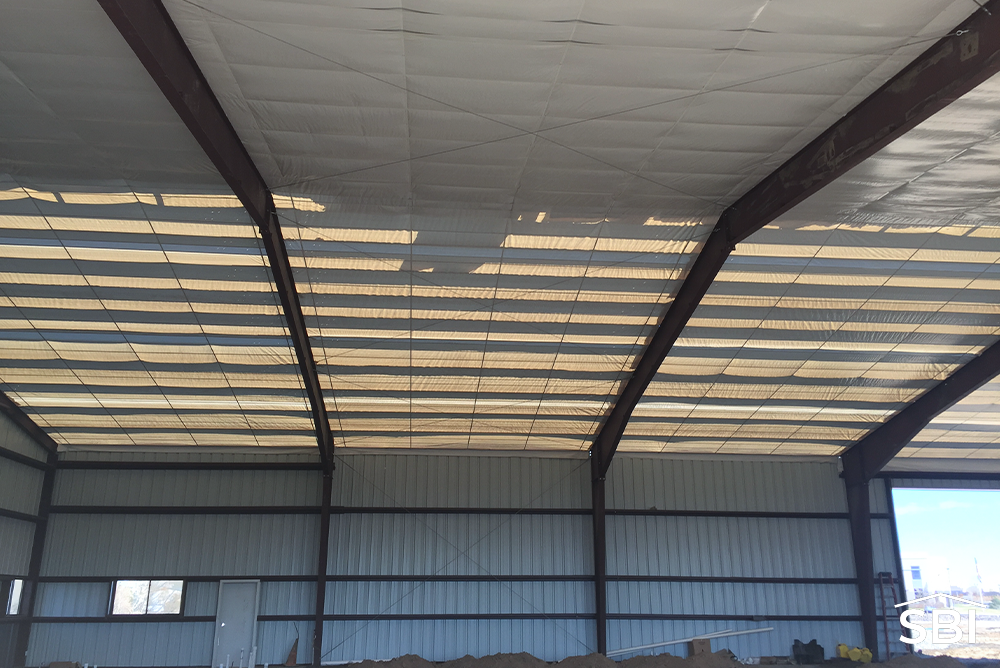
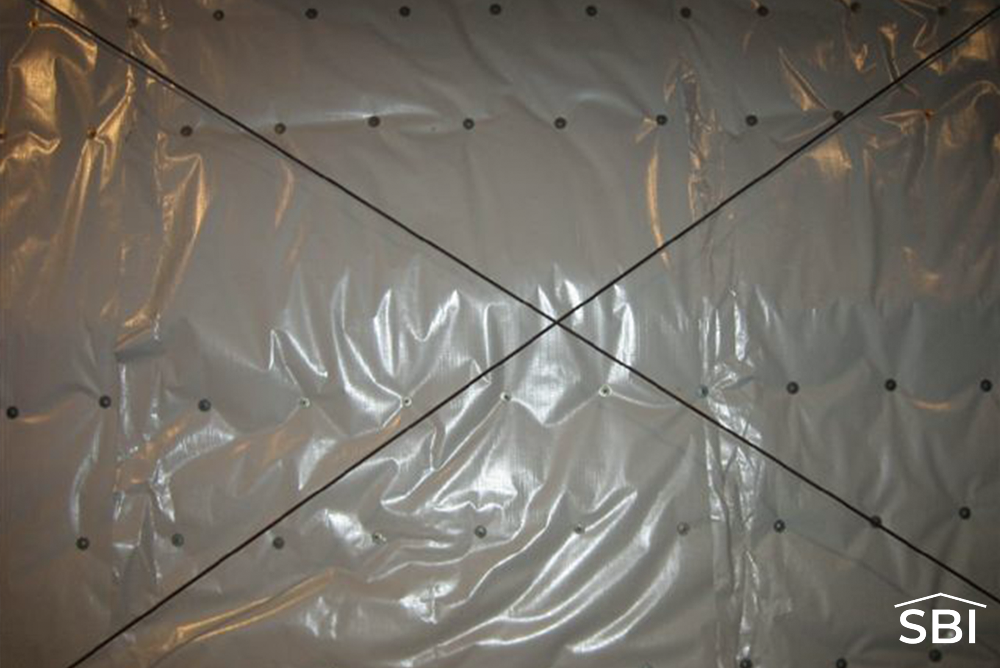
Steel Banding

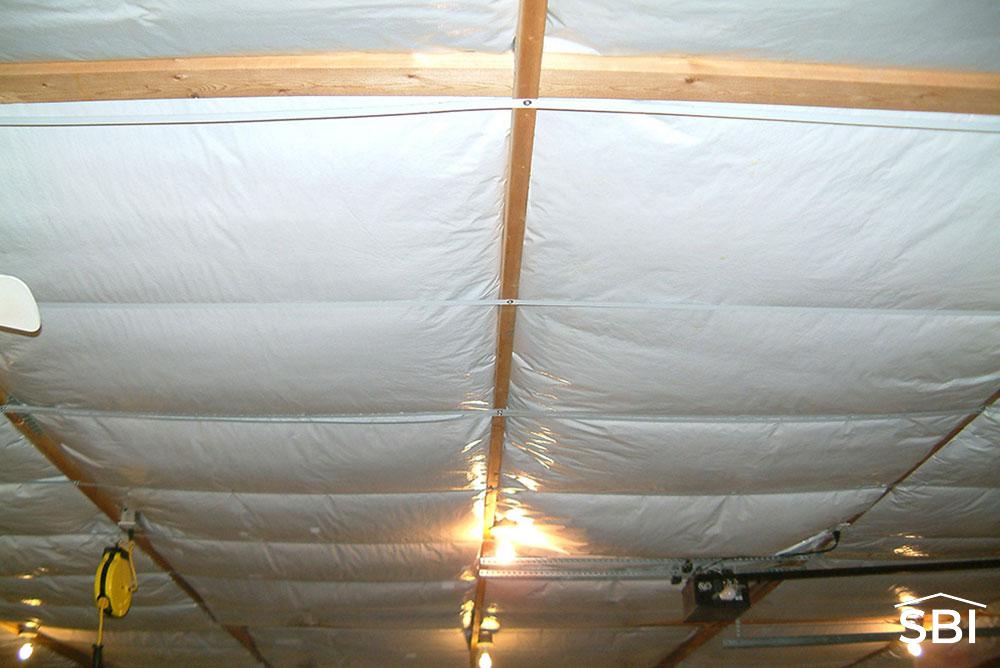
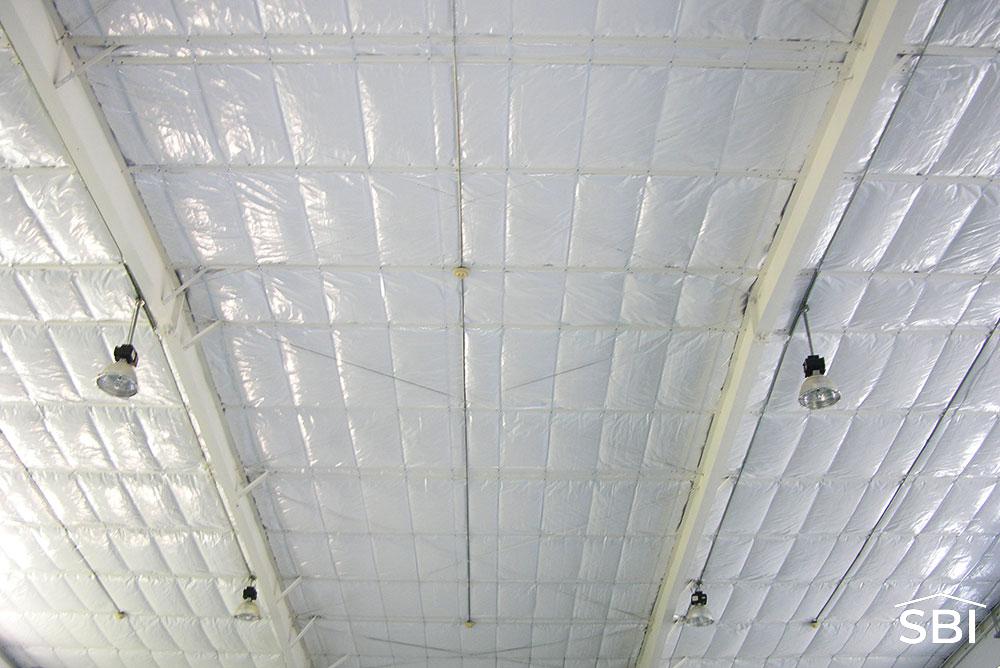
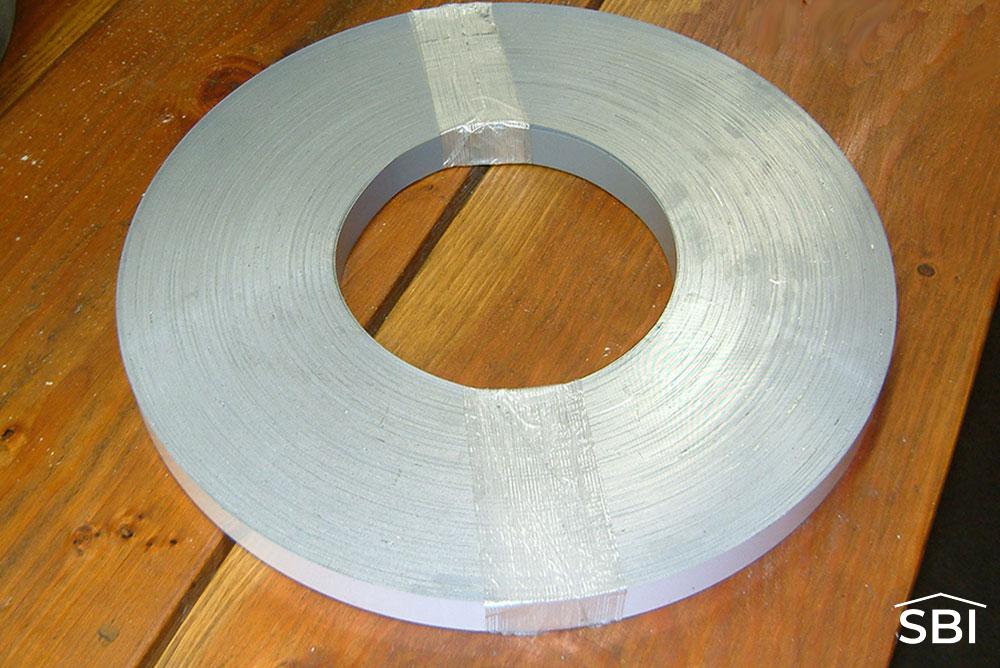
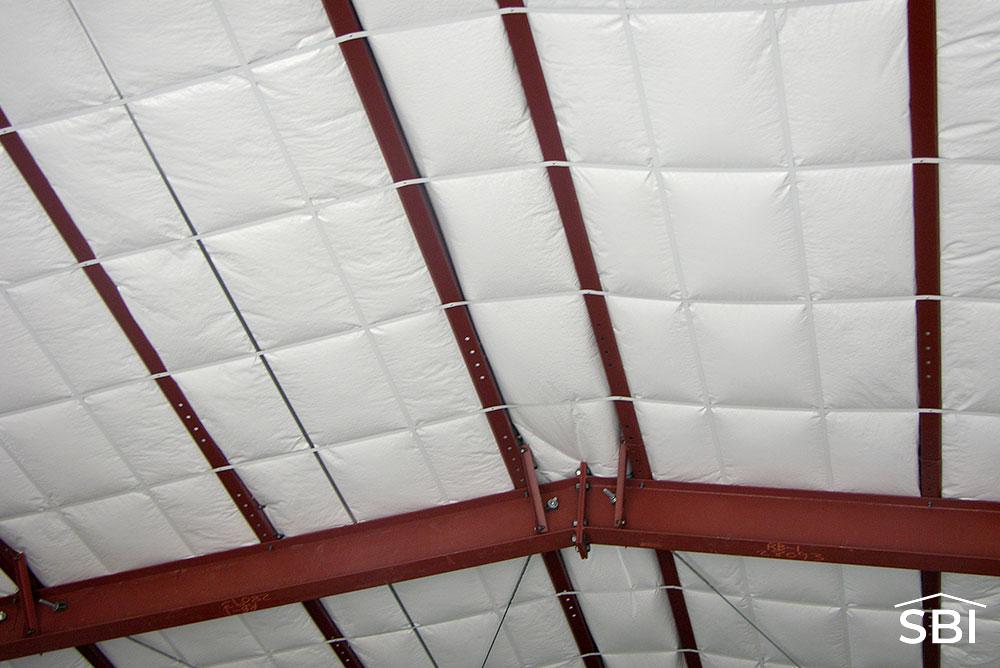
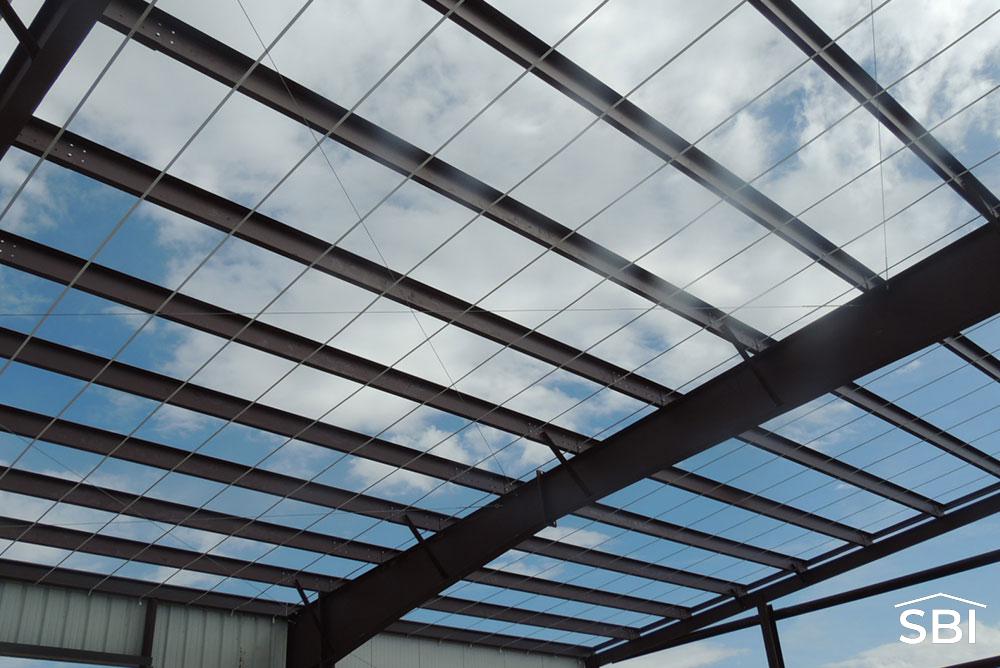
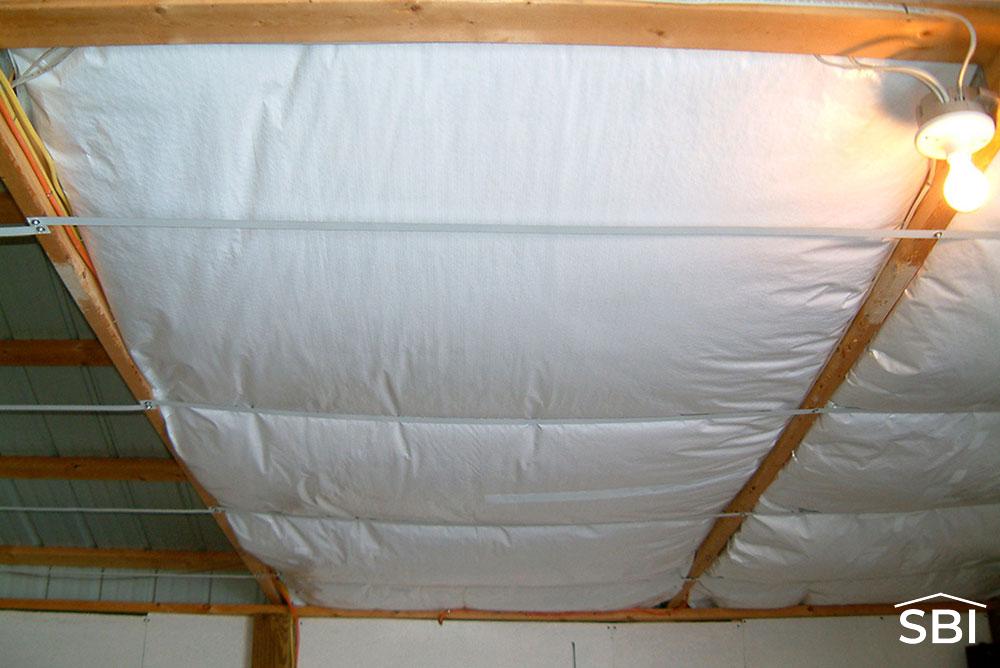
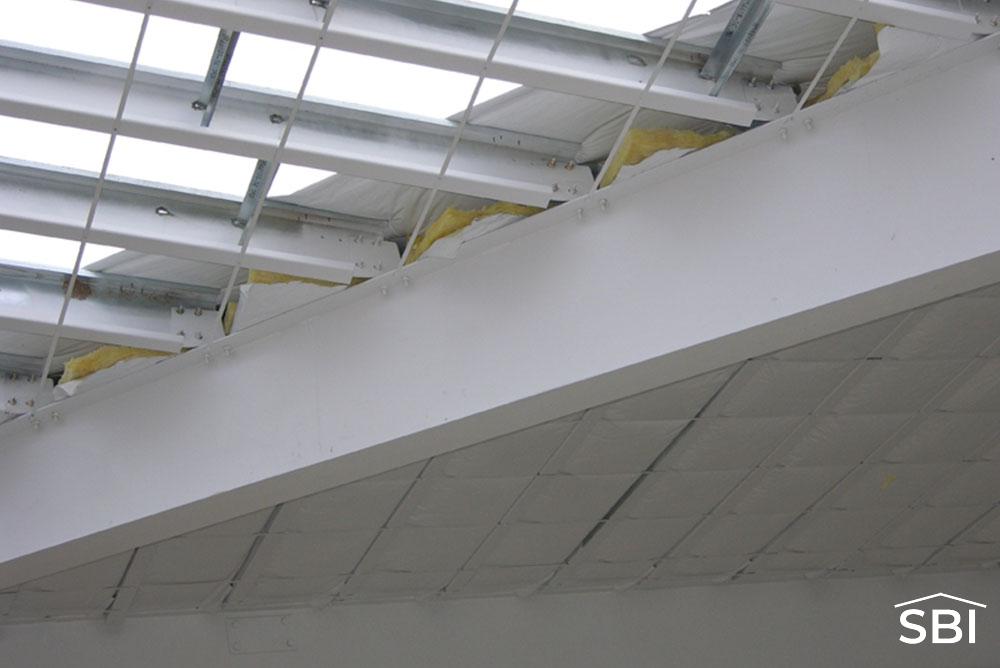
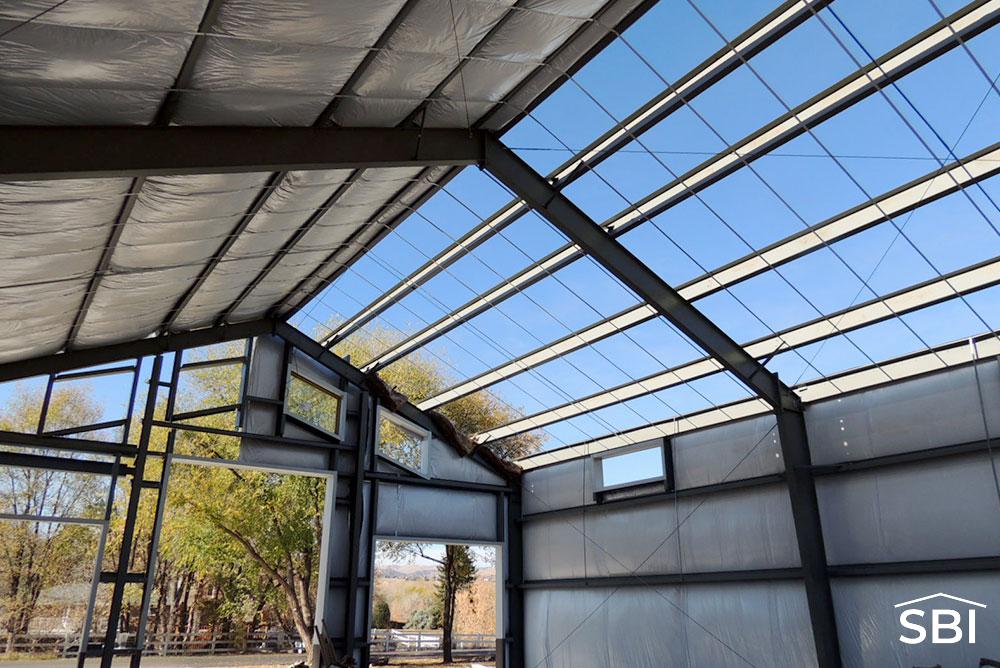
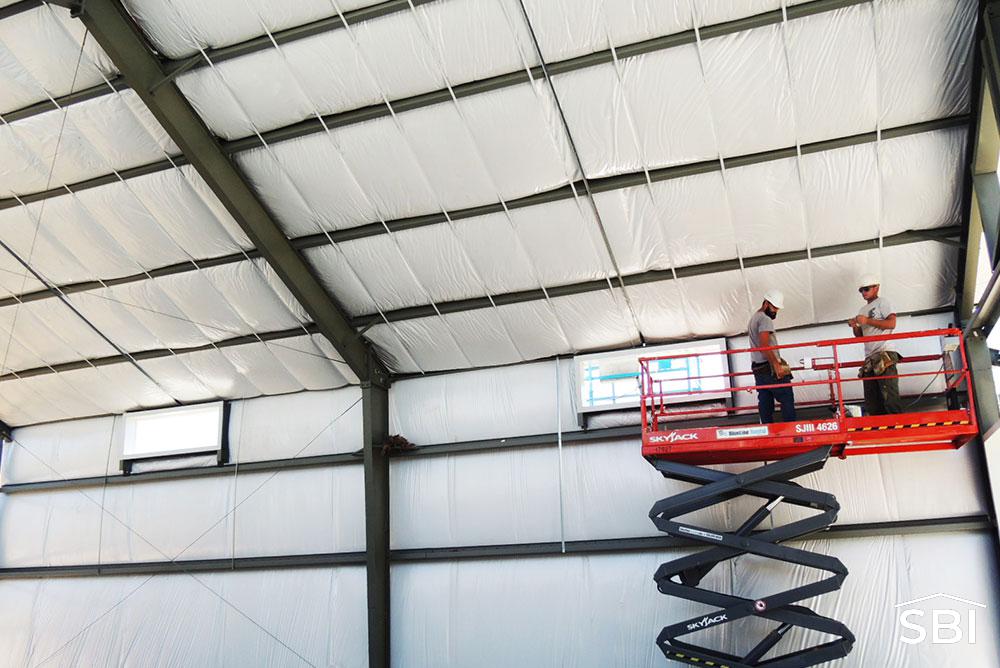
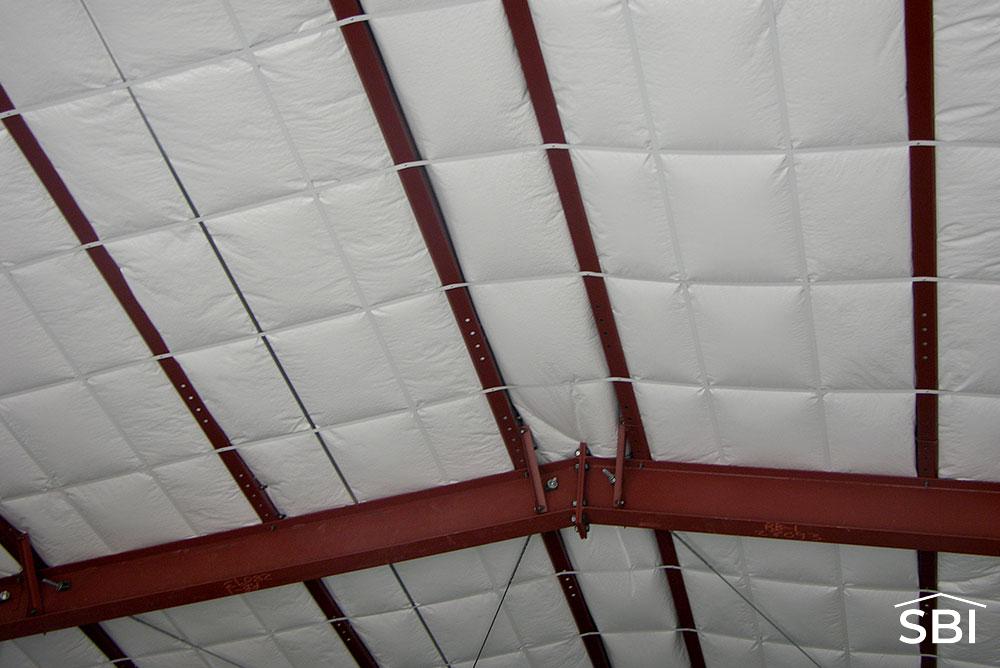
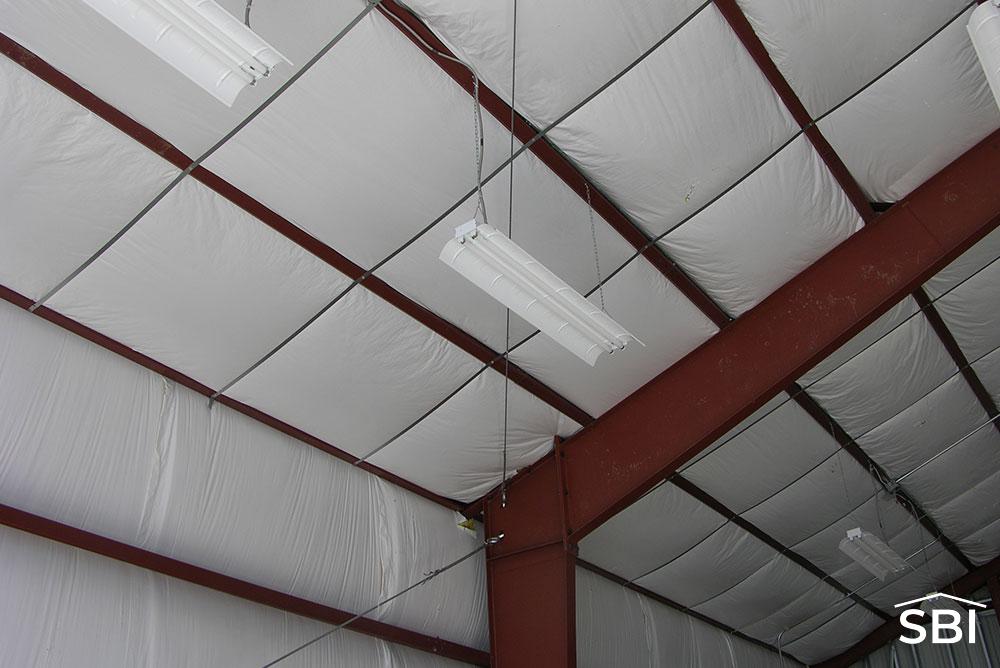
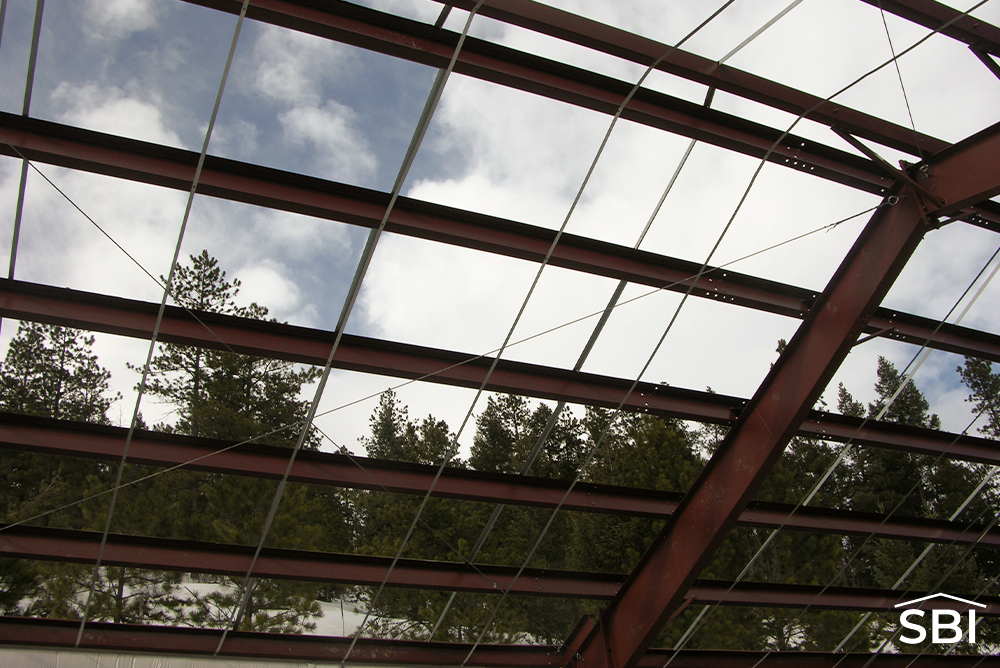
In metal buildings banding can be used to secure metal roof insulation or in the walls (most commonly used in the roof.) Steel bands typically 1” wide are screwed to the underside of the metal purlin (or wood truss in a pole barn) 30” apart creating a grid system. Commonly used in double layer High R-Value metal roof insulation systems and in Retro-Fit insulation applications. To calculate the amount needed, multiply your metal roof square footage x 40%. Rolls are typically 500′ long.
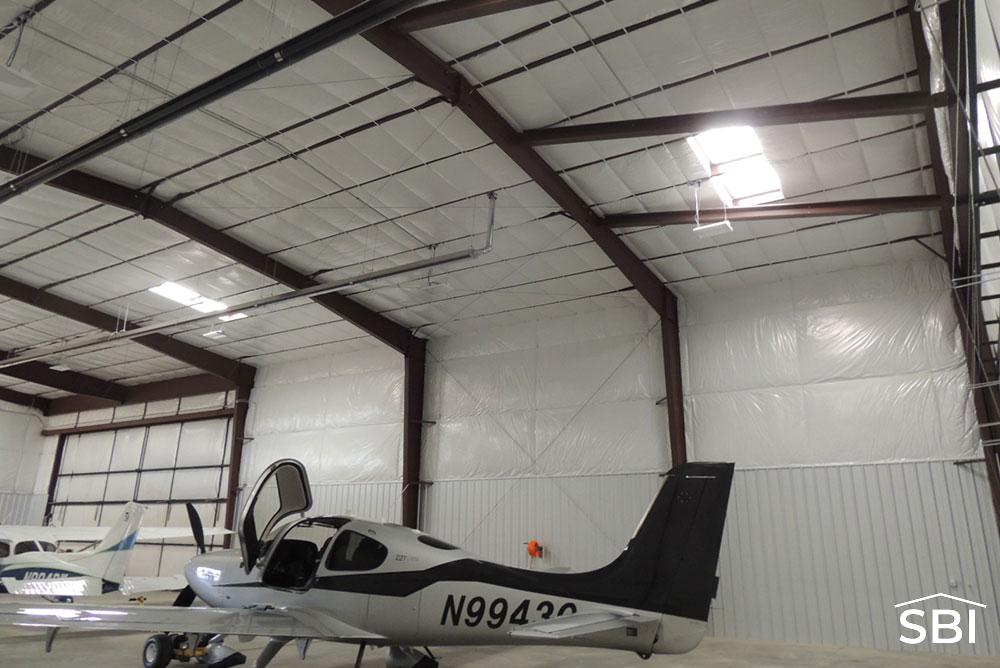
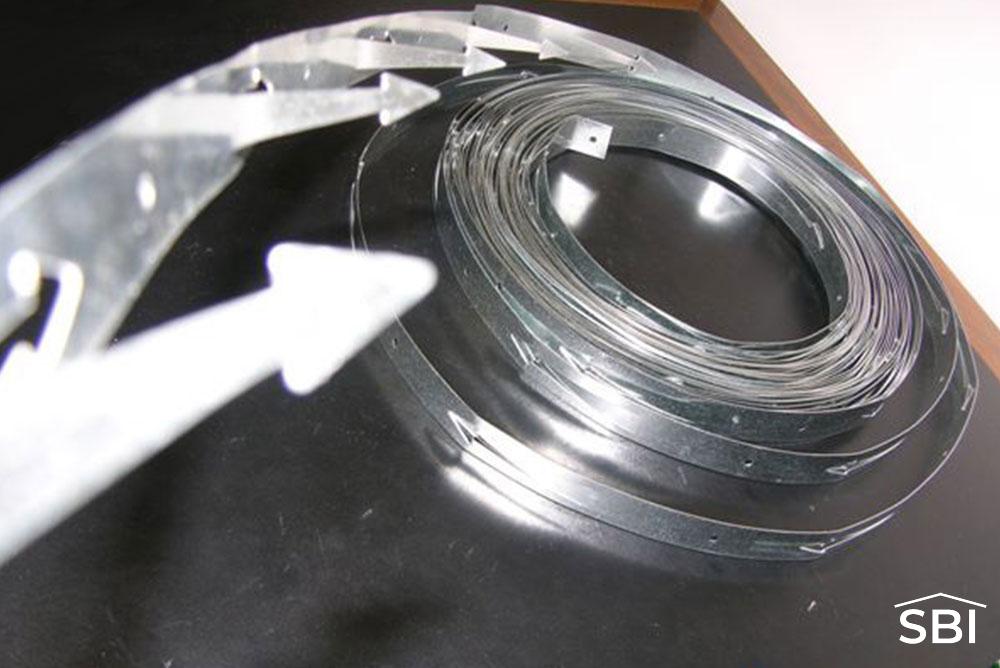
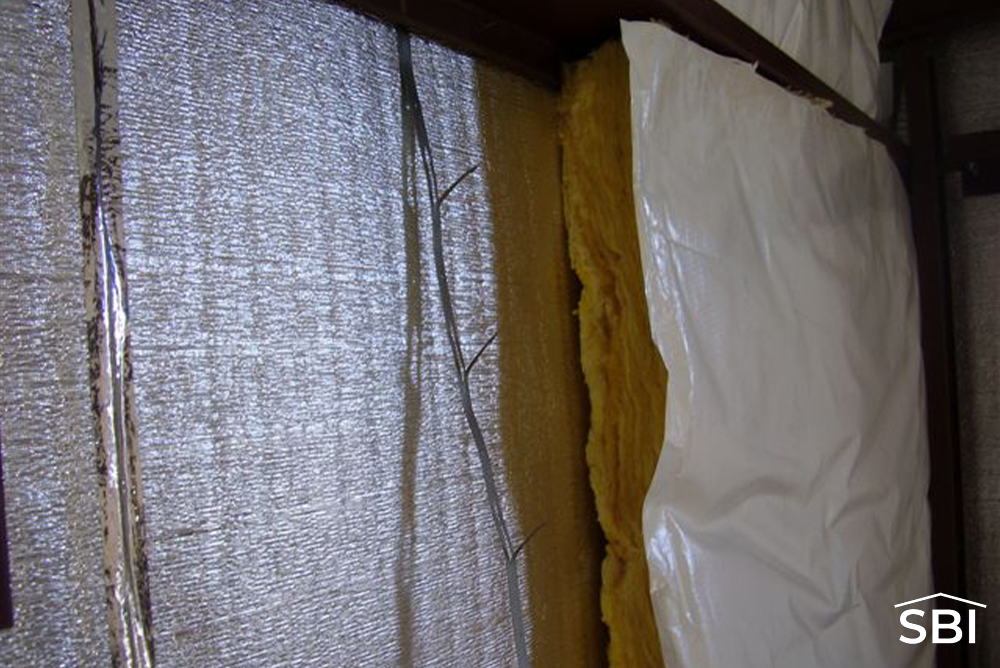
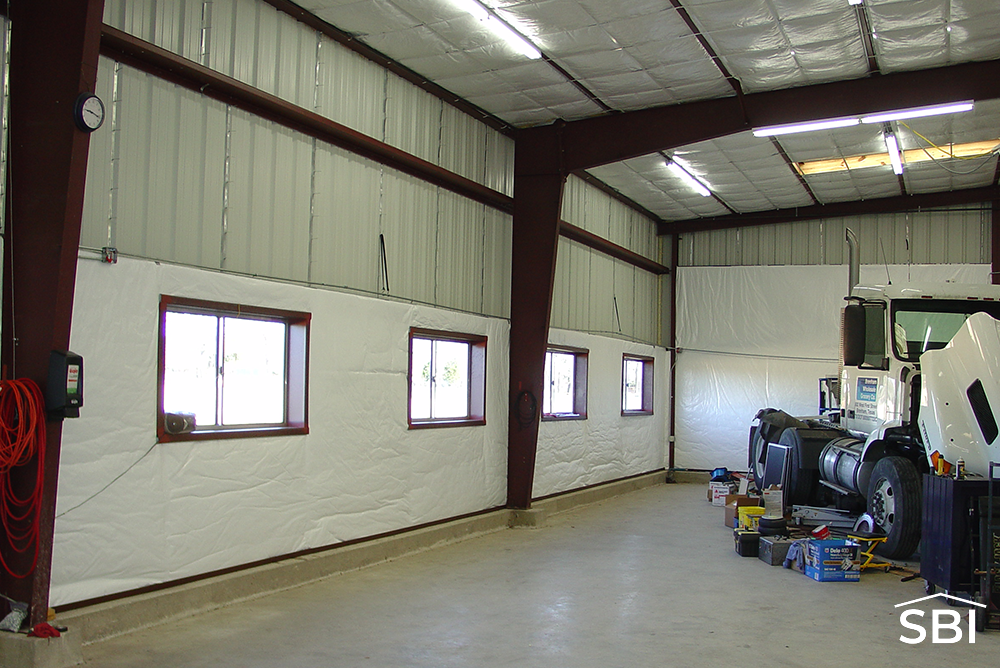
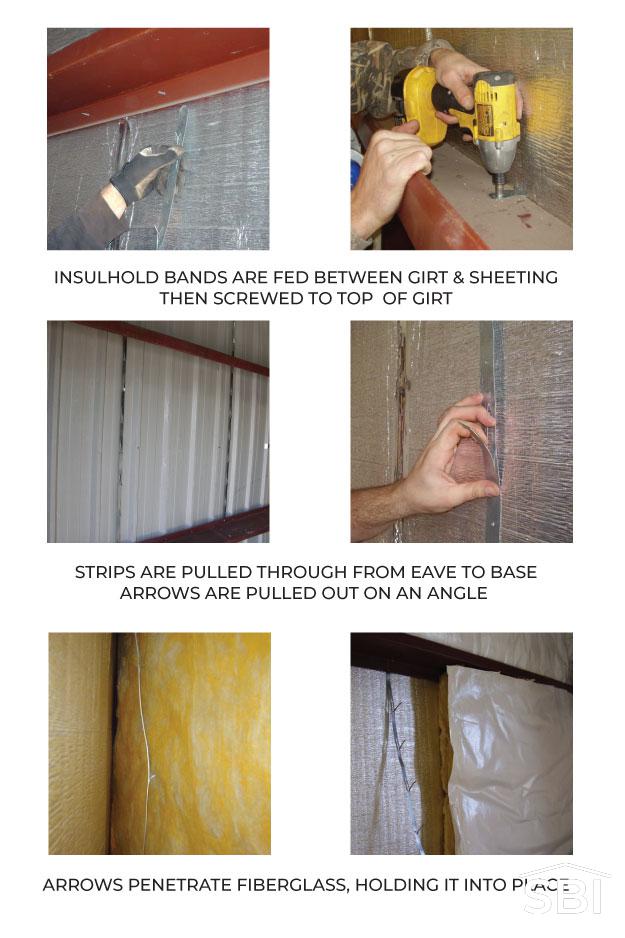
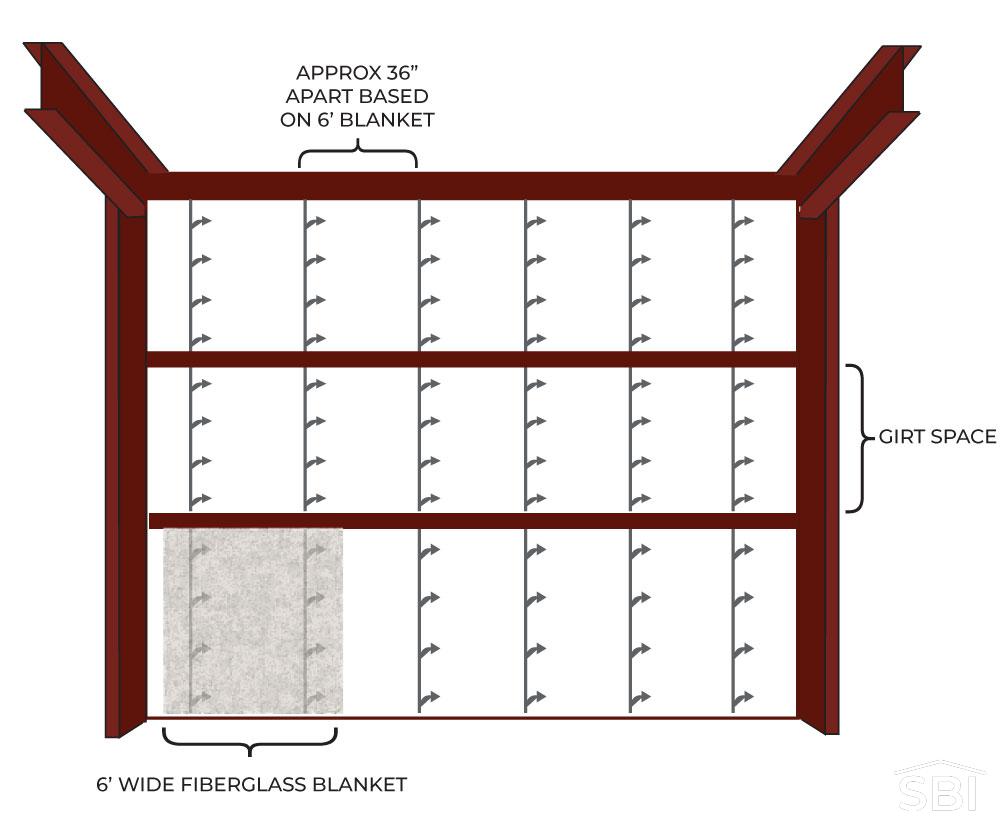
Ideal for new construction where high R-Values are required, or in retrofit to help hold insulation in place and from sagging. Arrows, which are contoured for strength, stick within the fiberglass and provide holding power to the insulation. InsulHold bands are used independently, however, for additional support steel banding, steel liner panel, or an insulation fabric covering such as Energy Saver are optional.

Install Insulhold Tabs
Insulhold Install Method

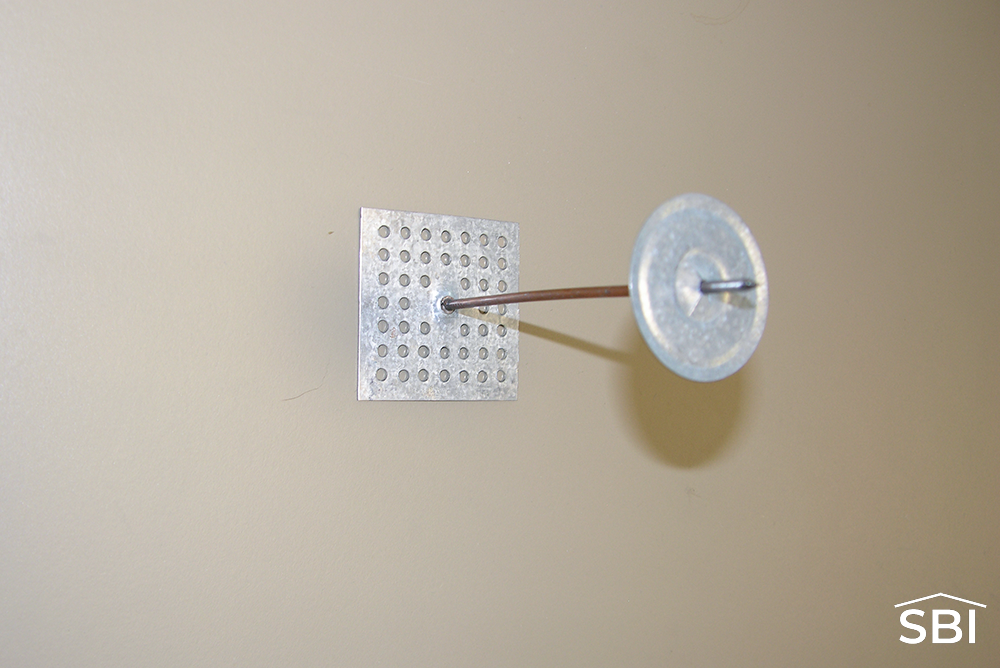
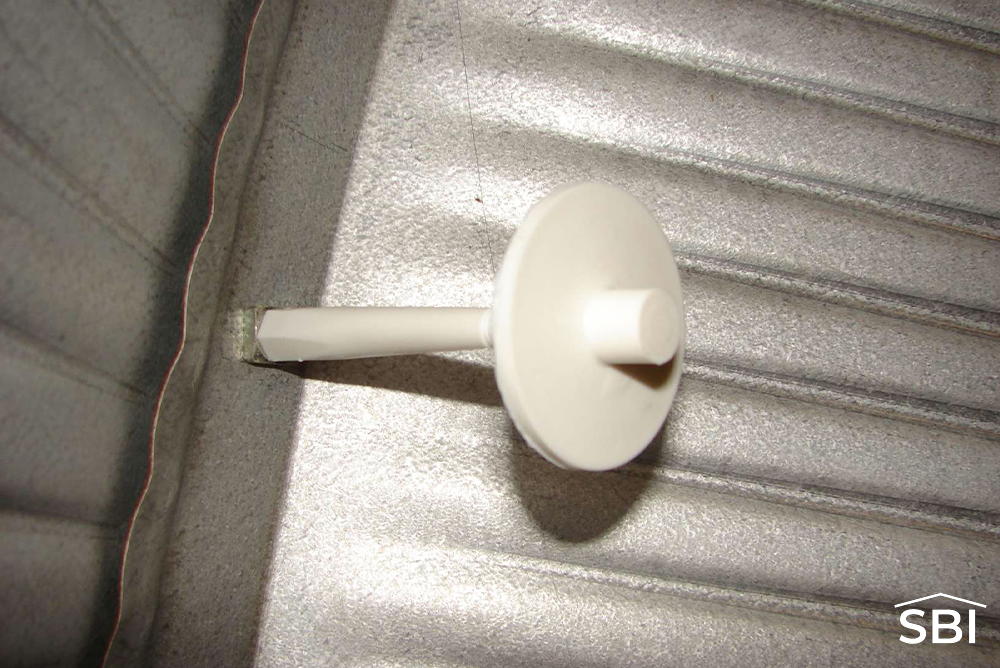
Insulation Stick Pins

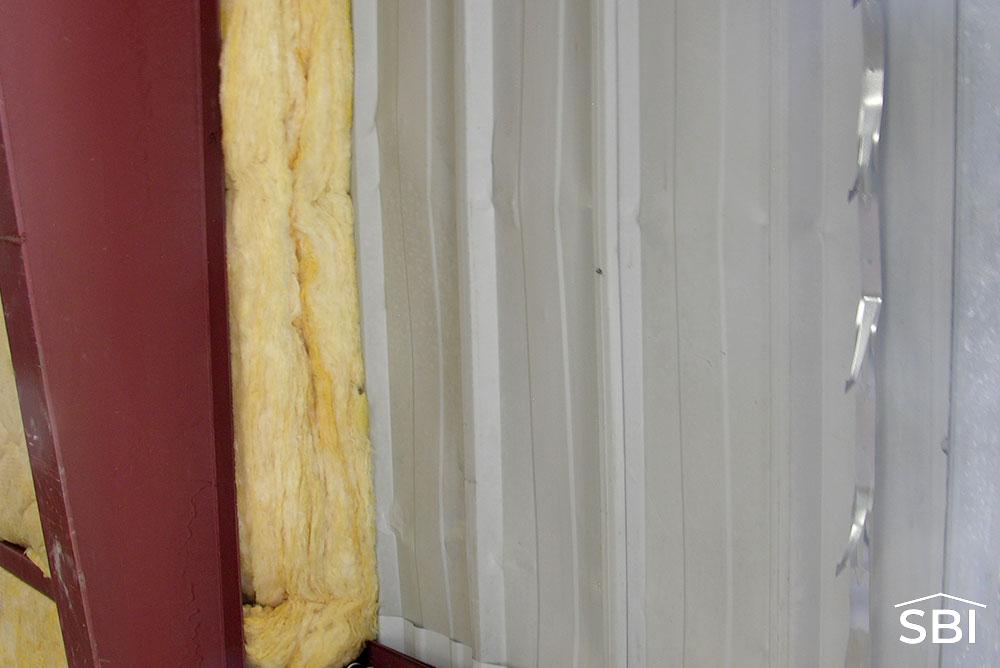
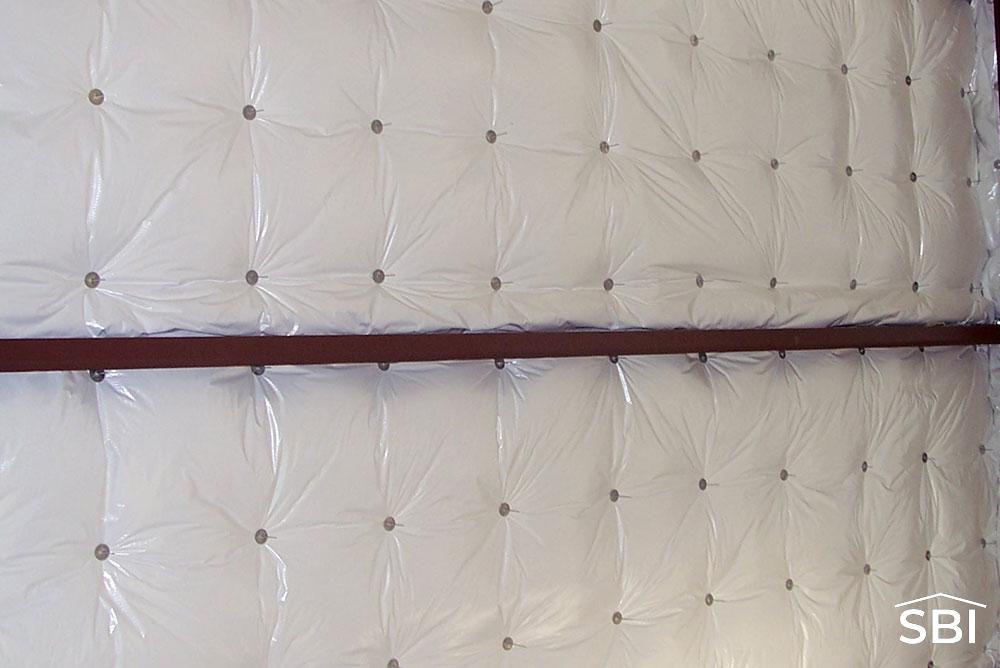
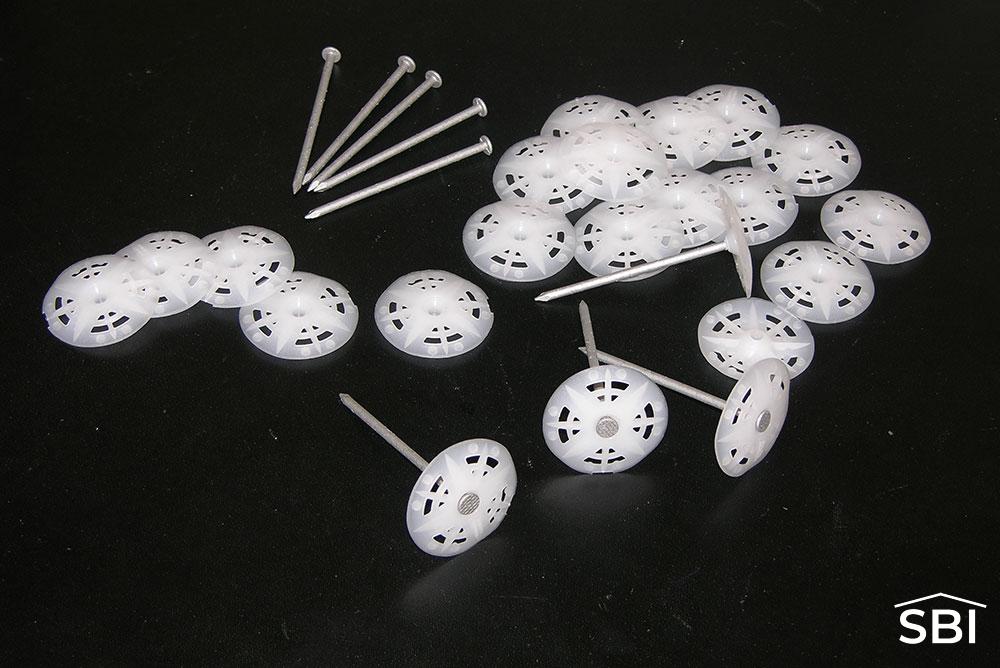
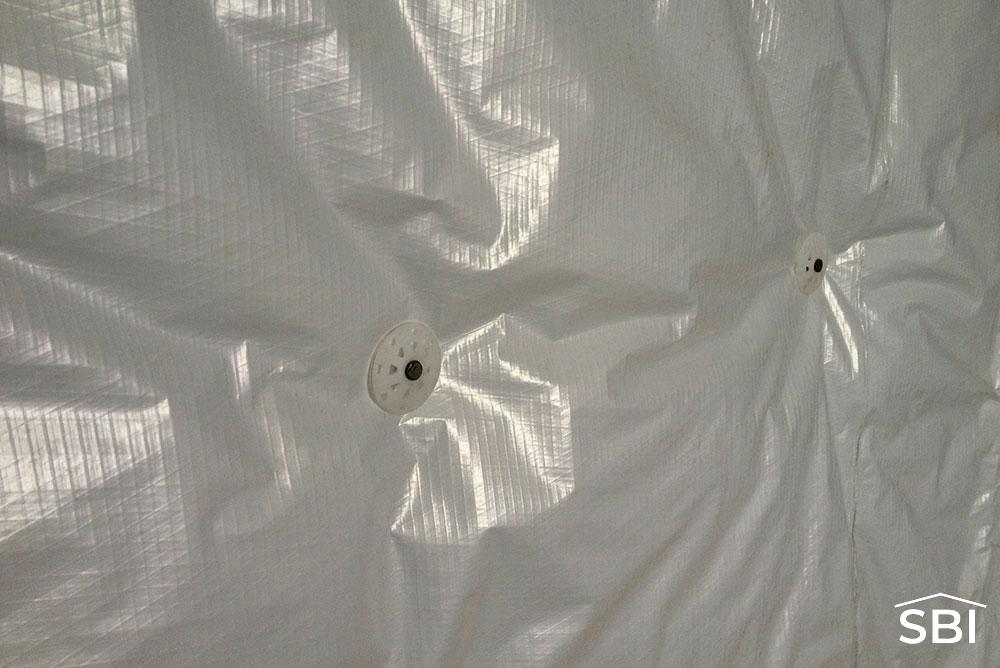
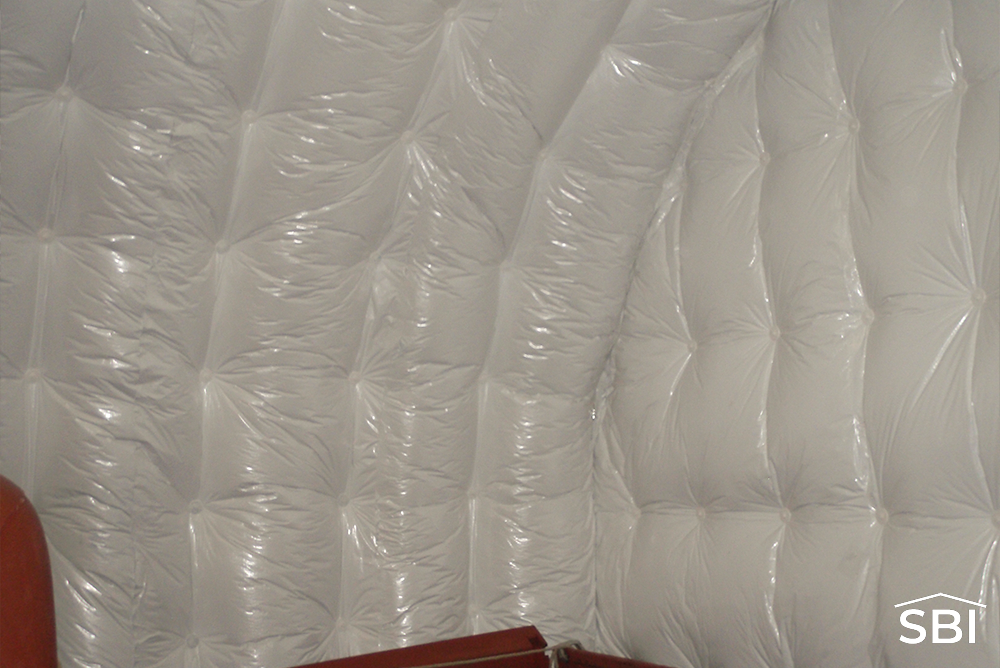
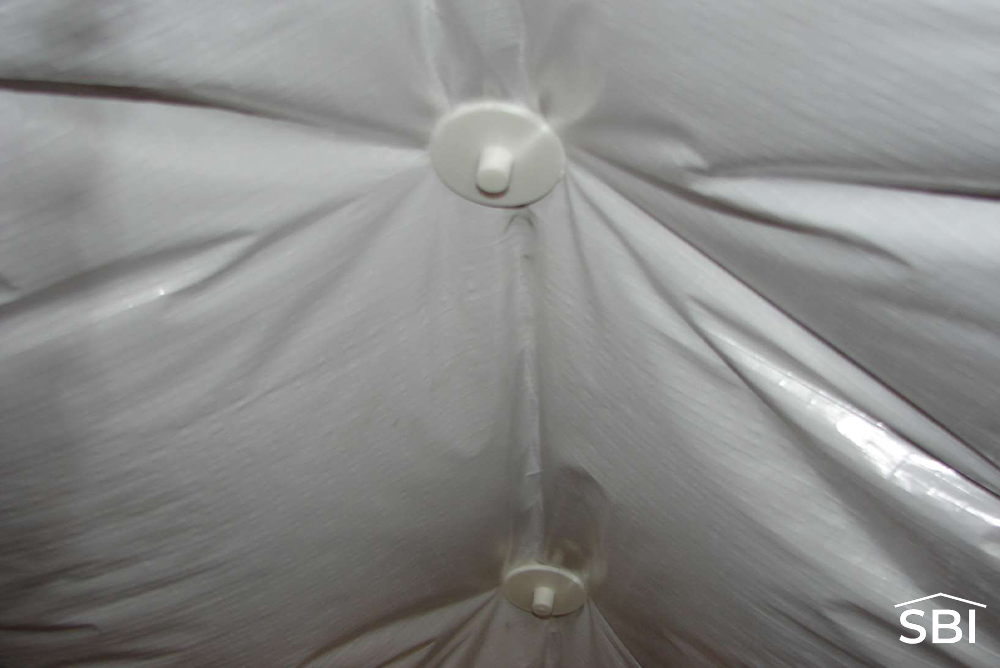
A common way to secure retrofit insulation to the walls is using stick pins. Insulation stick pins are glued to the wall panel 16” apart. The pins then penetrate the fiberglass and facing and a washer is placed over the insulation to secure it. The pointed tips are then cut off with a wire cutter. This application creates a quilted look. (Pins should be covered in high traffic areas to prevent injury)

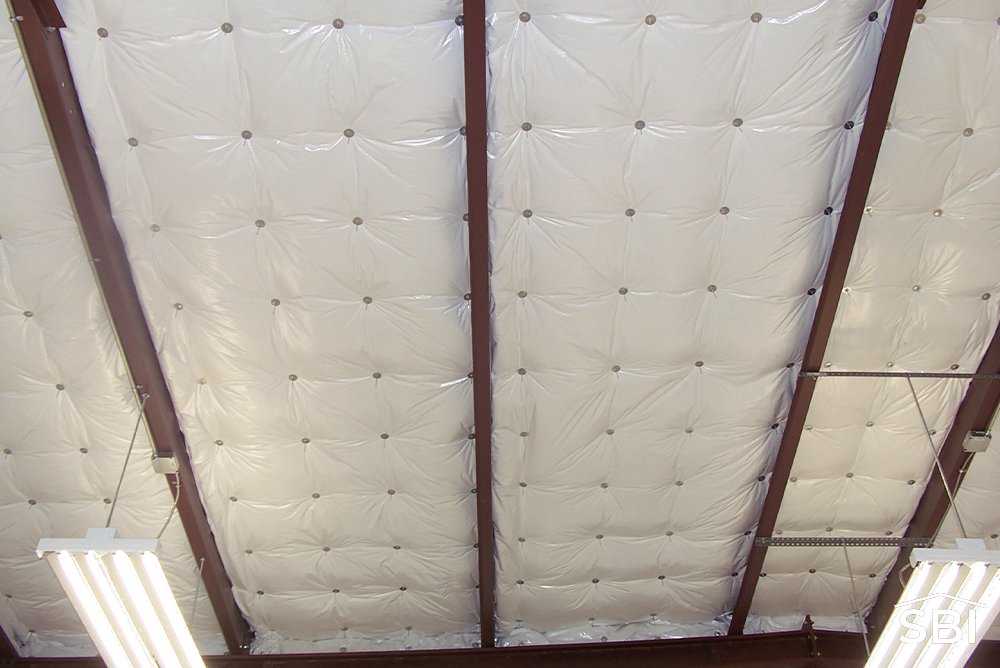
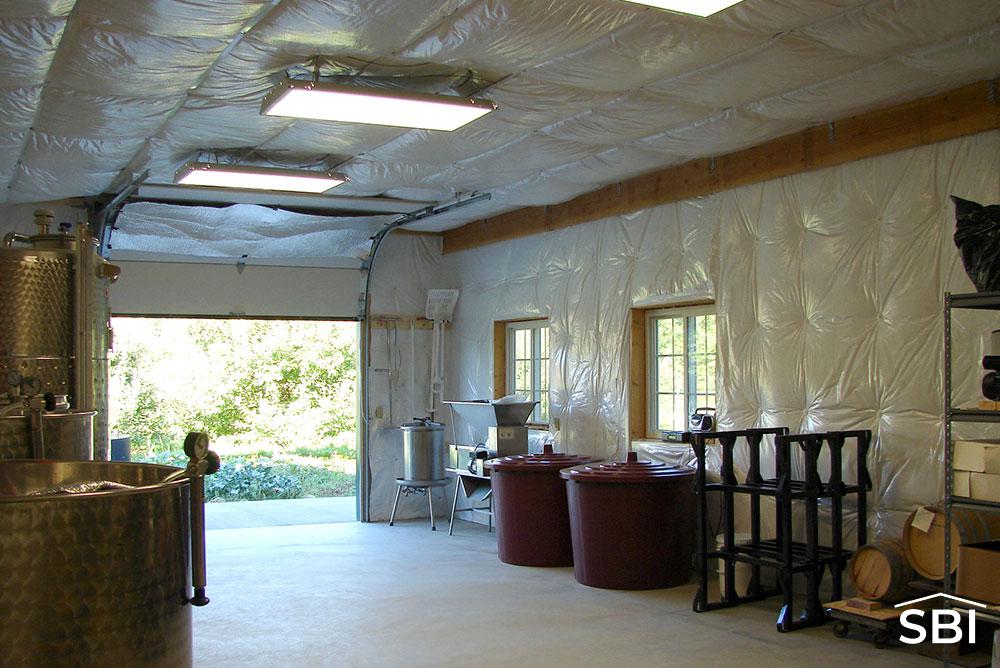
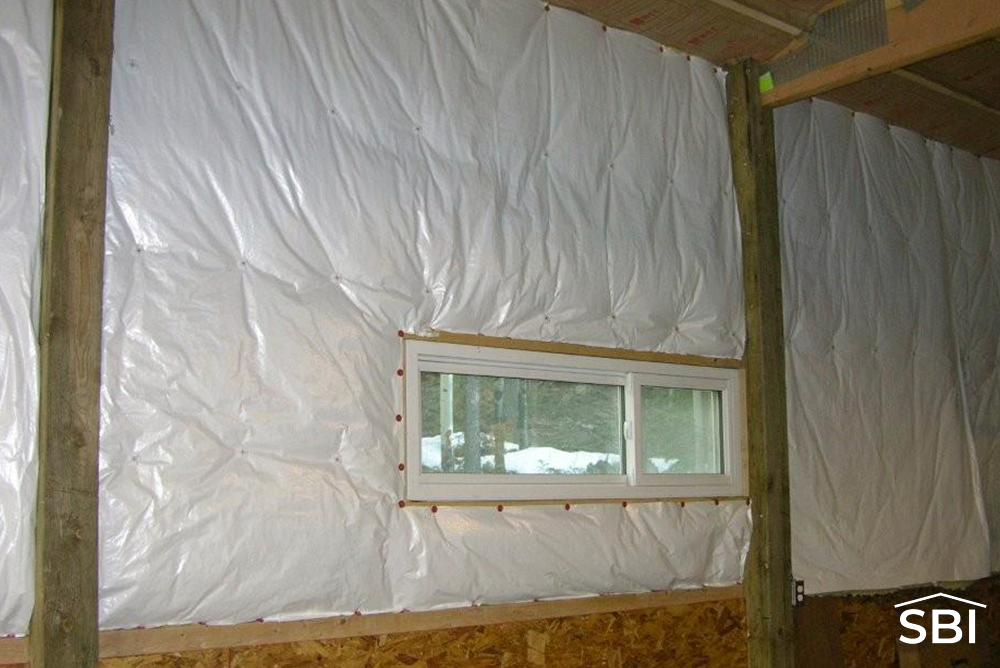
Pole Building Washers are used to hold up insulation in pole building walls. The fiberglass blankets are nailed in place and a 2″ washer is added to give the walls a clean quilted look.

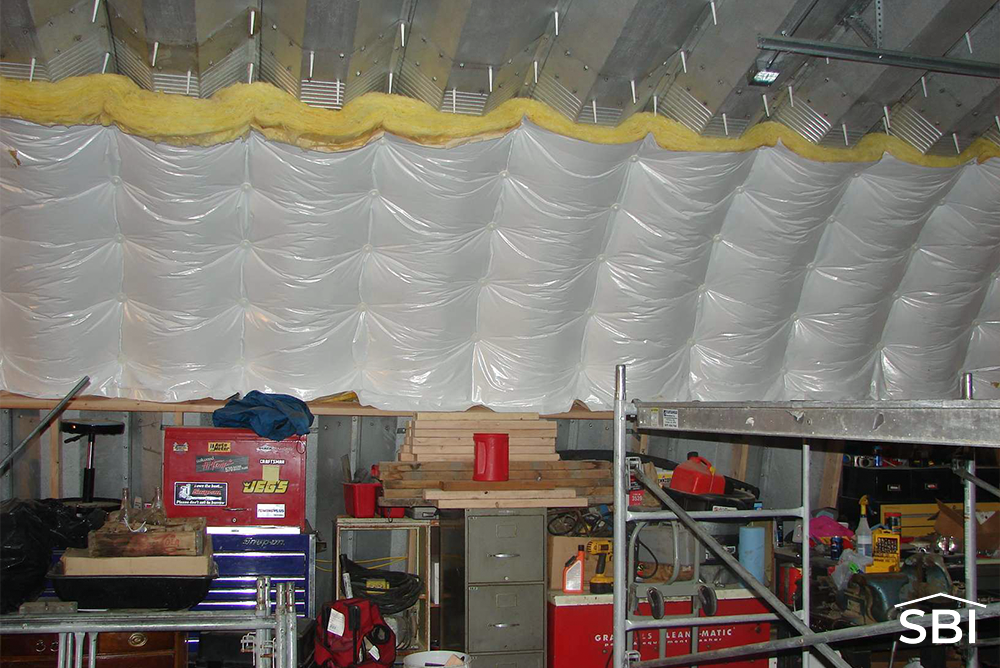
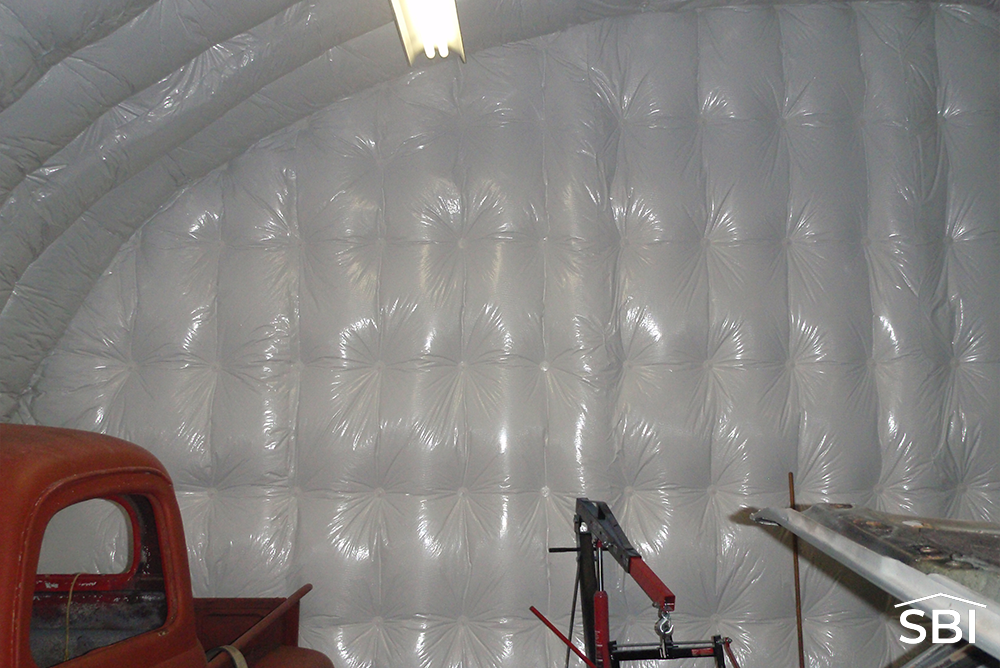
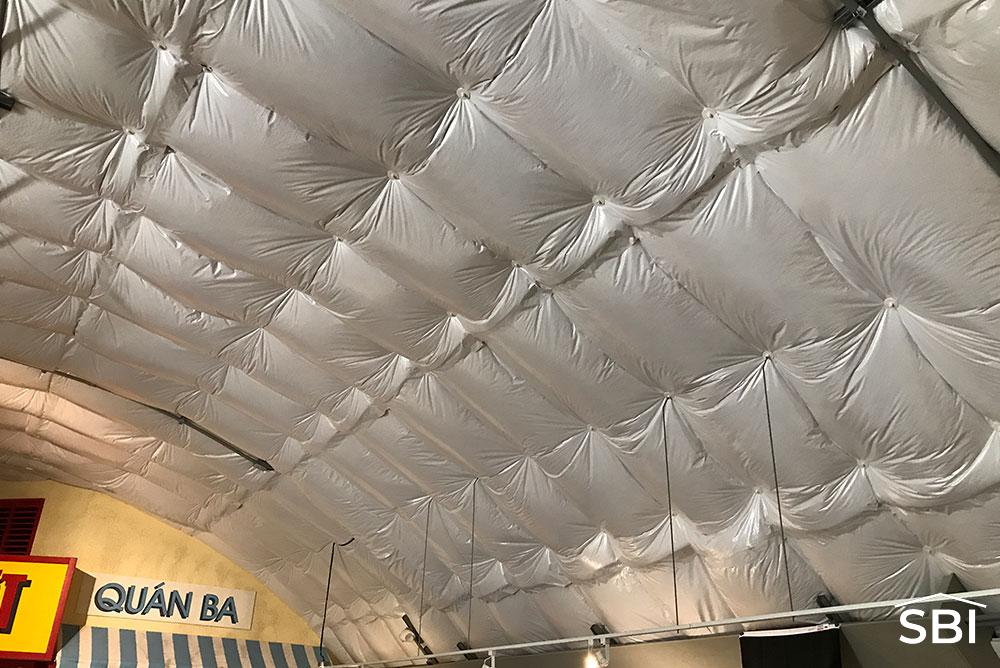
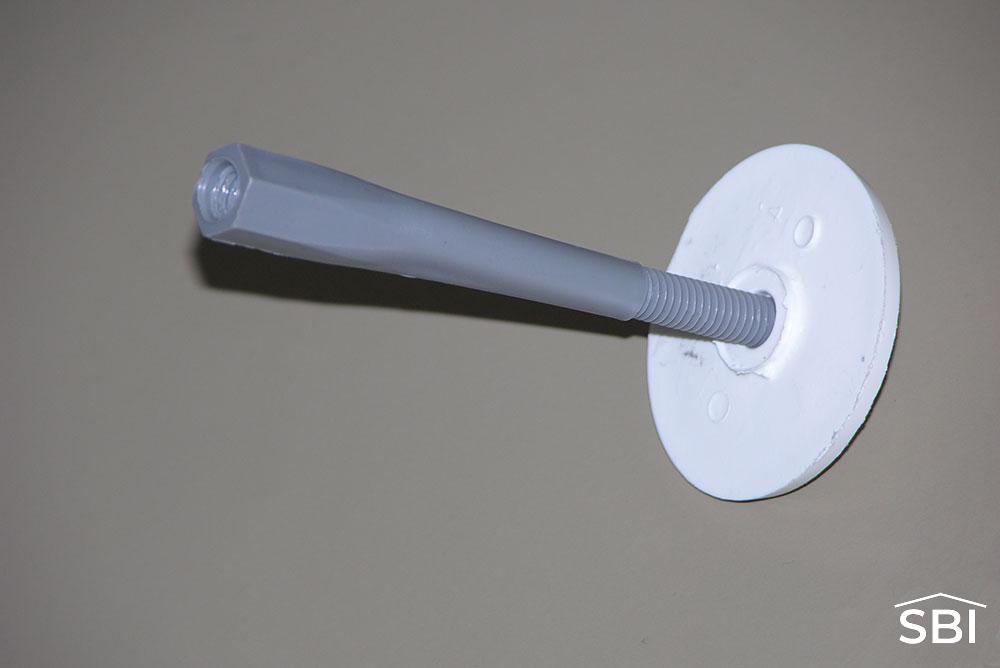
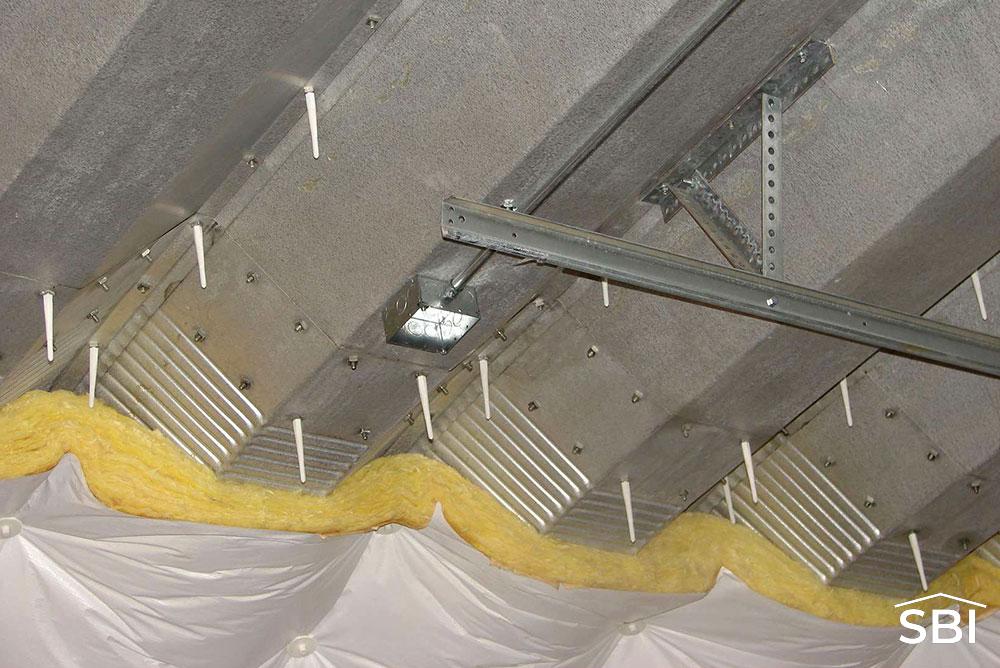
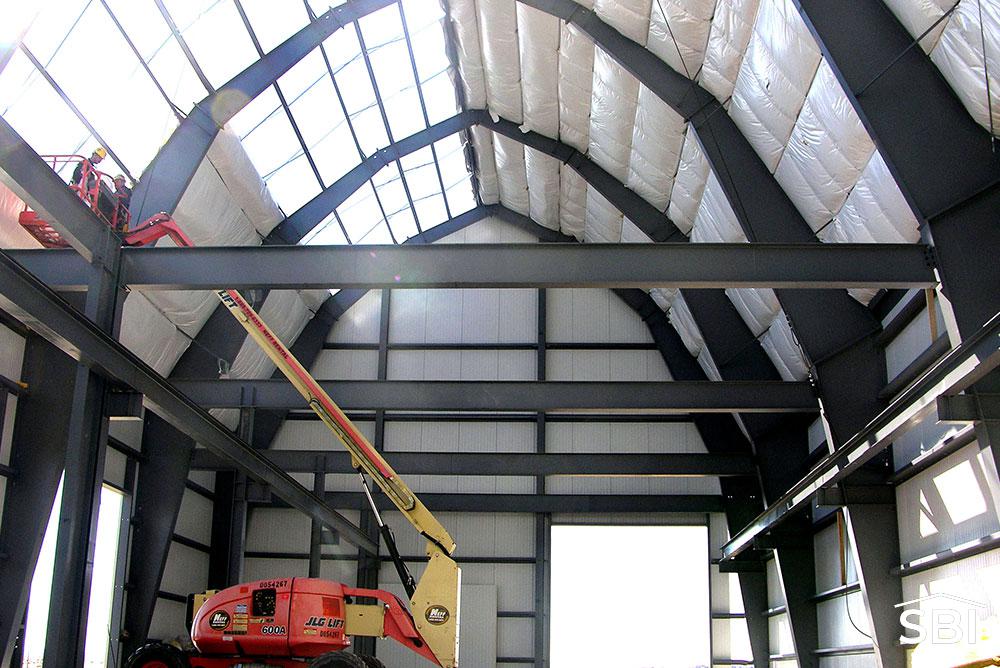
Arch Building Pins are fasteners used to secure insulation to the curved framing of an arch building without damaging it. These are primarily used to ensure consistent thermal performance and prevention of insulation displacement.

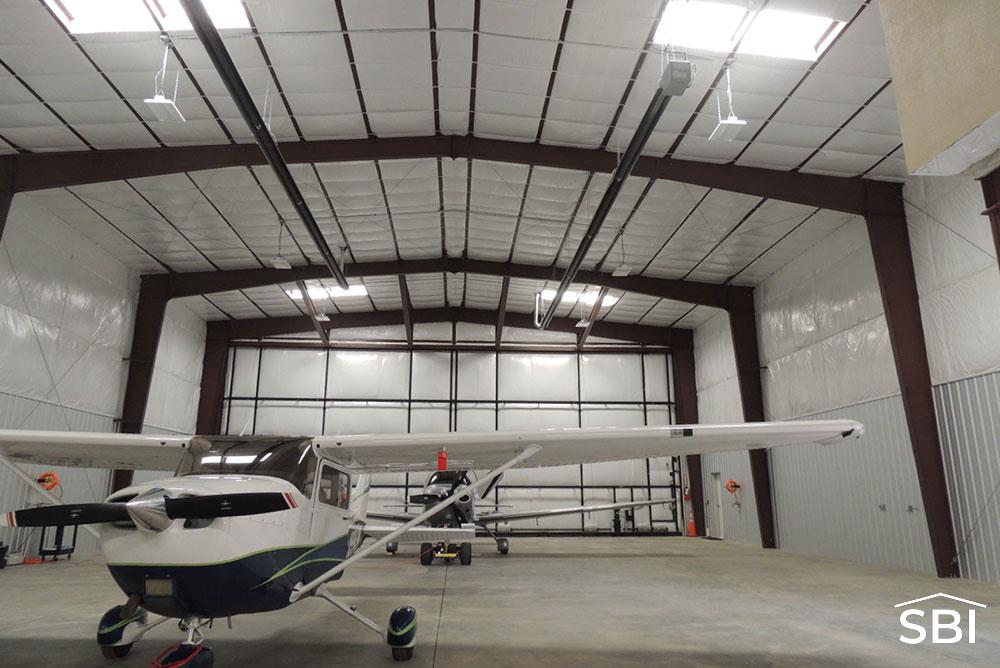
Used in new metal buildings when higher R-Values are desired. Up to R-43 can be acheived.

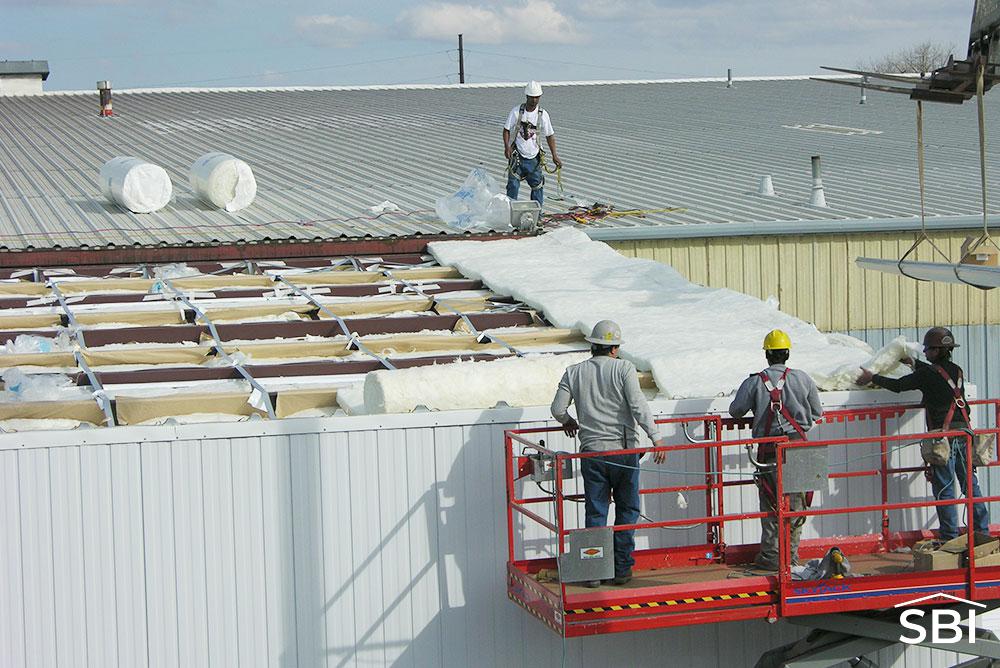
Installing Double Layer Insulation Systems

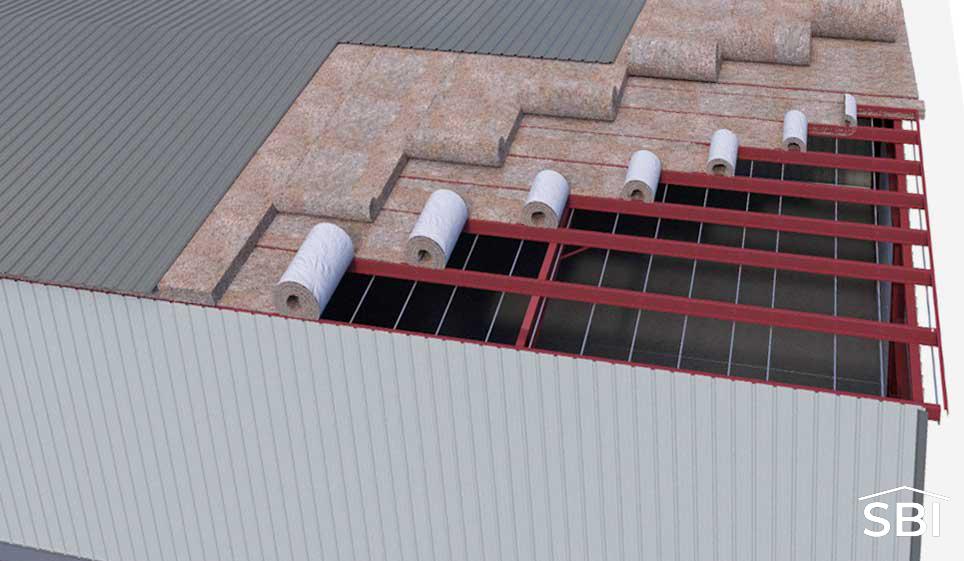
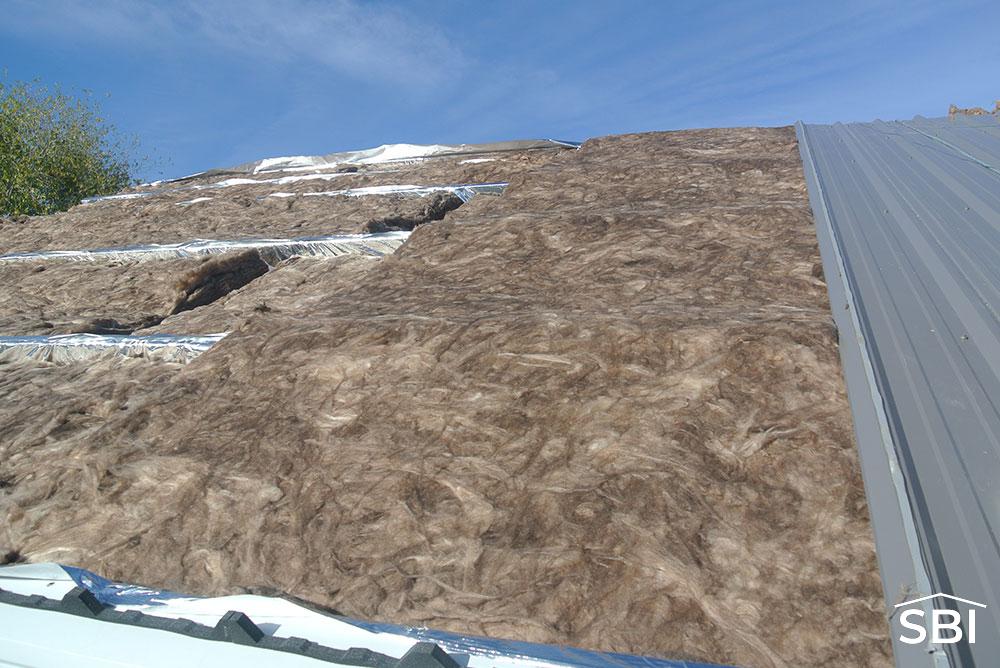
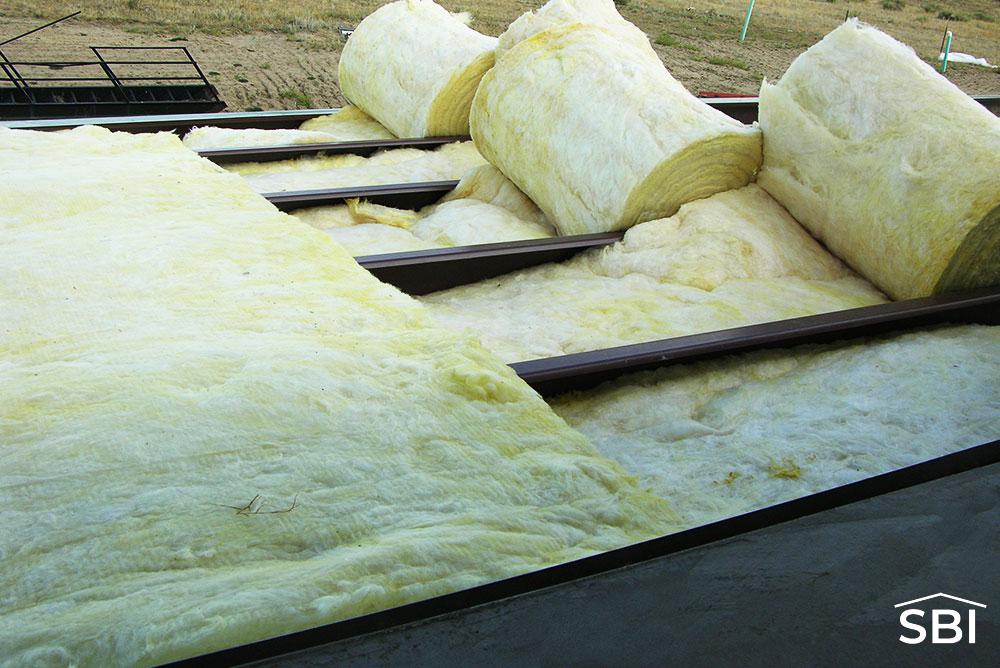
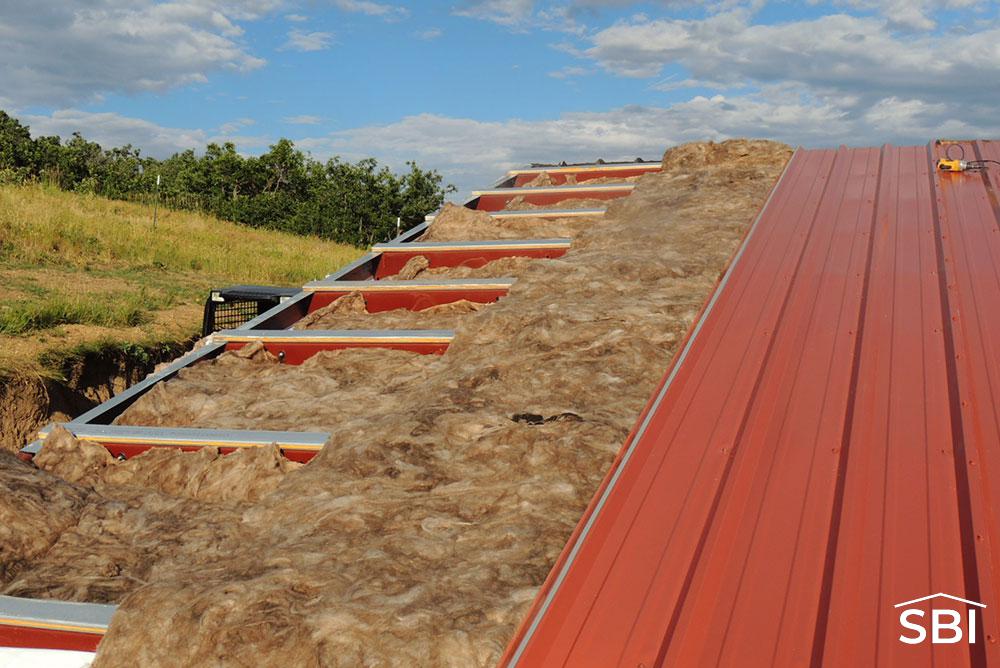
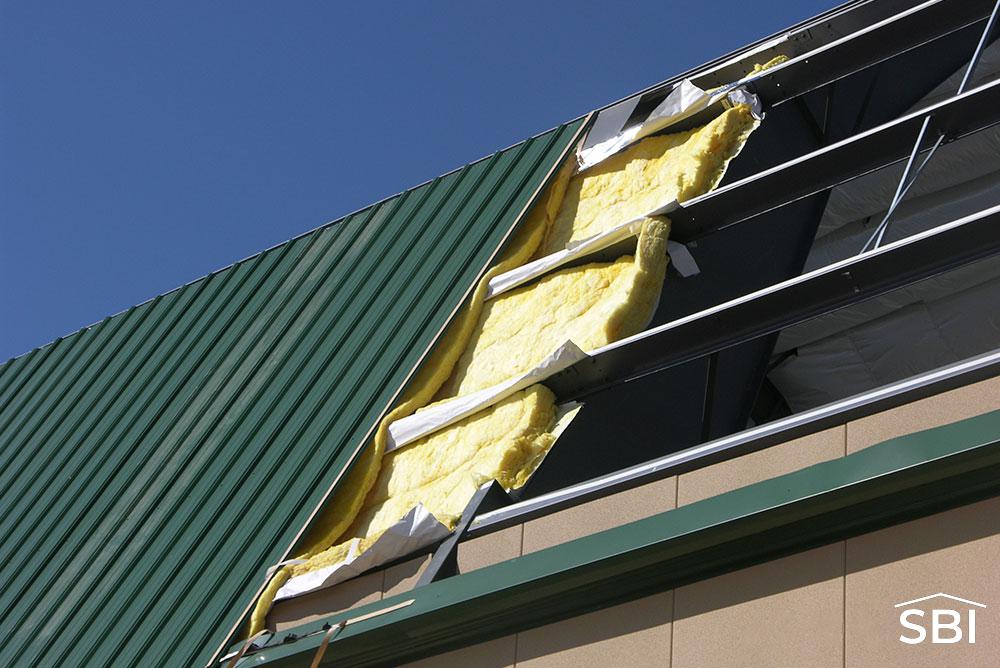
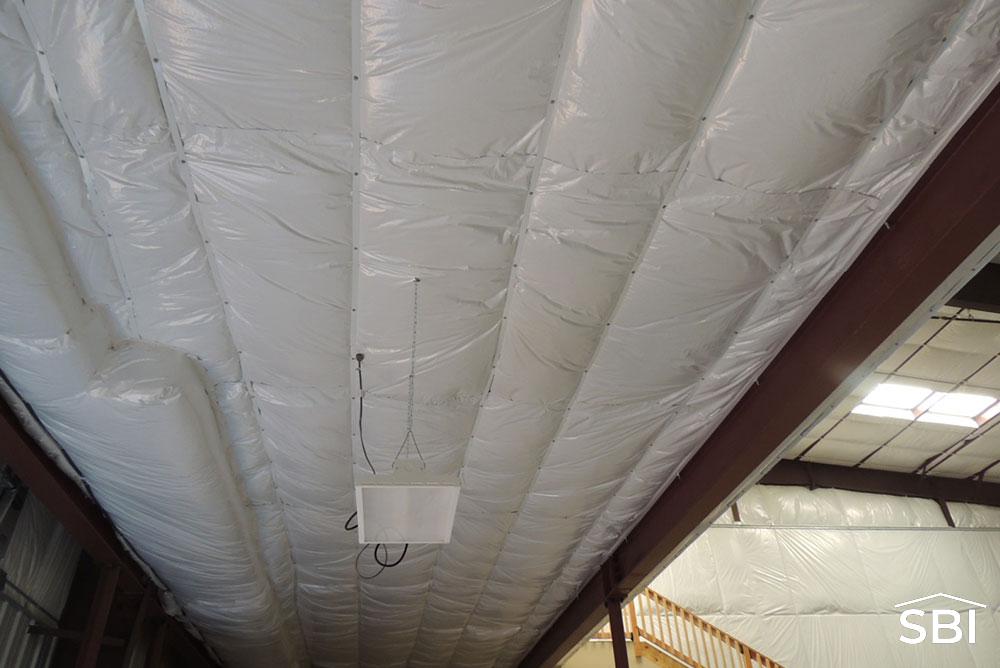
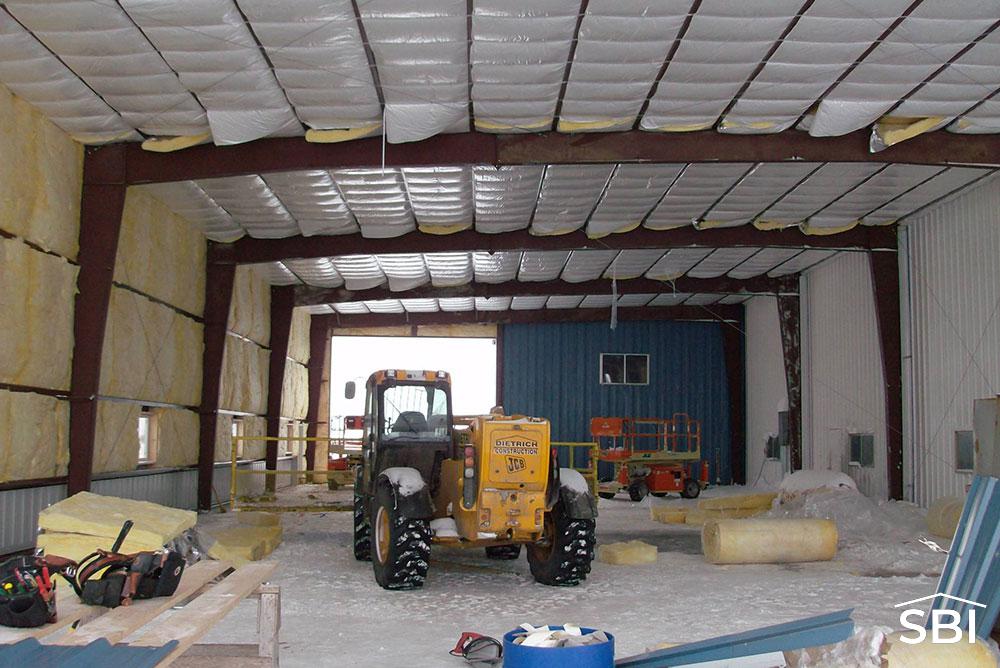
Steel bands are installed on the underside and perpendicular to the roof purlins. A pre-cut layer of insulation faced with polypropylene fabric is then installed in between the purlins, running the length of the building. This layer is exposed to the inside of your building and the polypropylene product serves as a vapor retarder while providing a bright, reflective interior finish. A second layer of unfaced fiberglass is then installed from the peak to the eave- perpendicular to the roof purlins and over the top of the first layer. This acts as a thermal spacer between the exterior panels and the steel roof purlins. The insulation blankets are pre-cut to fit into the roof and wall cavities of your building. This helps save time and money by eliminating any extra waisted material that would normally be cut off. Double layer systems are a great choice for buildings where people will work or live, or if energy savings are important to the owner. Investing in a high R-Value system up front will save you money for years to come throughout the life span of the building.